

Read what other customers say about their experience with one of the best rated car transport companies:
Stephen C.

Gary S.
My experience with Montway was AWESOME. They picked up my non-running truck on Friday in Washington State, and had it to me by Sunday in New York.
Stephen C.
Contacted Montway to transport a non-running vehicle. They make the process smooth and easy. Communication with the driver was excellent. Would recommend!!
How Montway ships a car that doesn’t run
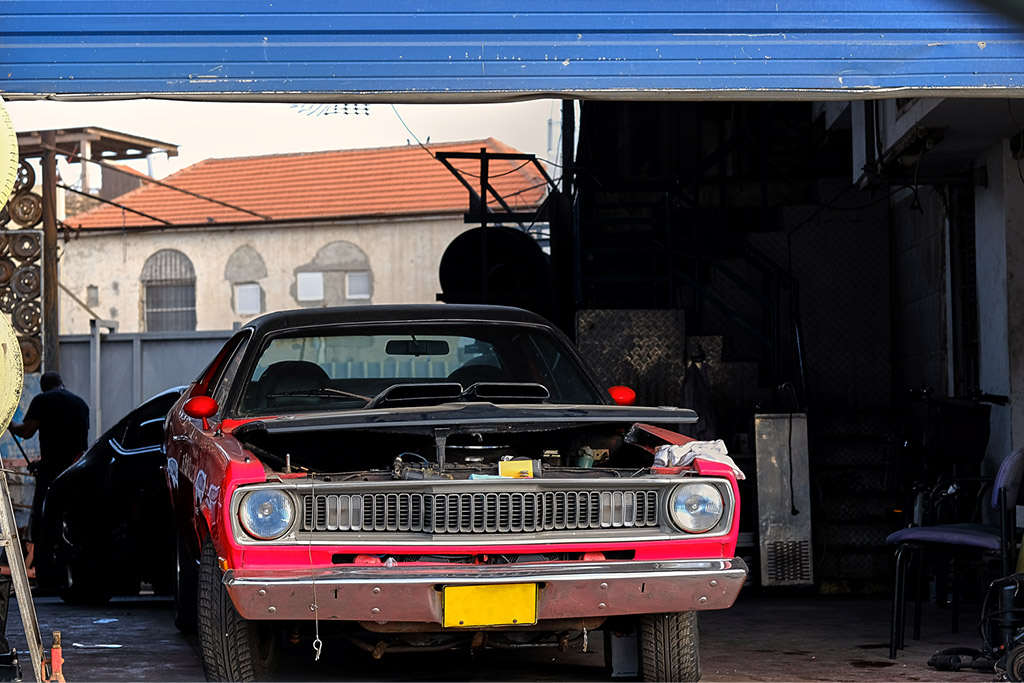
Shipping a car that is in perfect working order is a standard process, but when a vehicle doesn't start, steer, or roll, it requires a higher level of expertise. At Montway Auto Transport, we have experience moving non-running vehicles to ensure that your project car, classic "barn find," or auction win gets to its destination safely and efficiently.
Whether your vehicle just needs to cross state lines or travel across the country, it all starts with a car shipping quote. After you enter your pickup and delivery locations, be sure to check “inoperable” on the quote form. Or, call a Montway shipping advisor at (888) 666-8929 to discuss your options.
Custom equipment for your non-running vehicle
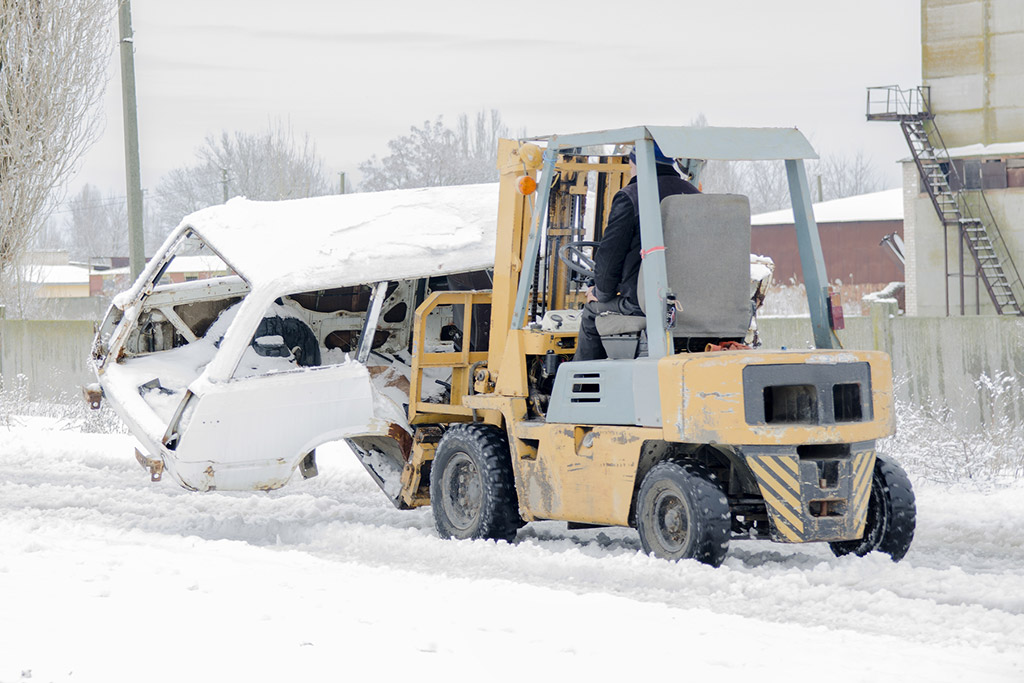
Our team will ask the necessary questions to ensure we match you with the right carrier. Does your vehicle just have a dead battery? Are the wheels locked? Has it been in an accident? If a vehicle cannot roll or steer, we arrange for carriers with specific equipment, such as a forklift, heavy-duty winches, or ramps at both the pickup and delivery locations.
Shipping methods: While open transport is common for inoperable vehicles, enclosed transport may be recommended for high-value project cars or vehicles with compromised windows or seals.
Delivery and accessibility: Because loading a non-running vehicle may take up more space, we will ensure the delivery location is accessible for large trailers with winching gear.
What is a non-running car?
In the world of auto transport, vehicles fall into three main categories. Knowing where yours fits is essential for an accurate quote and a smooth pickup.
- Operable: The vehicle starts, rolls, steers, and brakes. It can be driven onto the trailer under its own power.
- Inoperable (movable): The vehicle does not start (e.g., engine failure or dead battery), but it can still roll and steer. These are loaded using a winch.
Inoperable (immobile): The vehicle cannot roll or steer. This includes cars with seized brakes, missing wheels, or broken axles. These require special equipment like a forklift or a roll-back tow truck.

What makes a car “inoperable”?
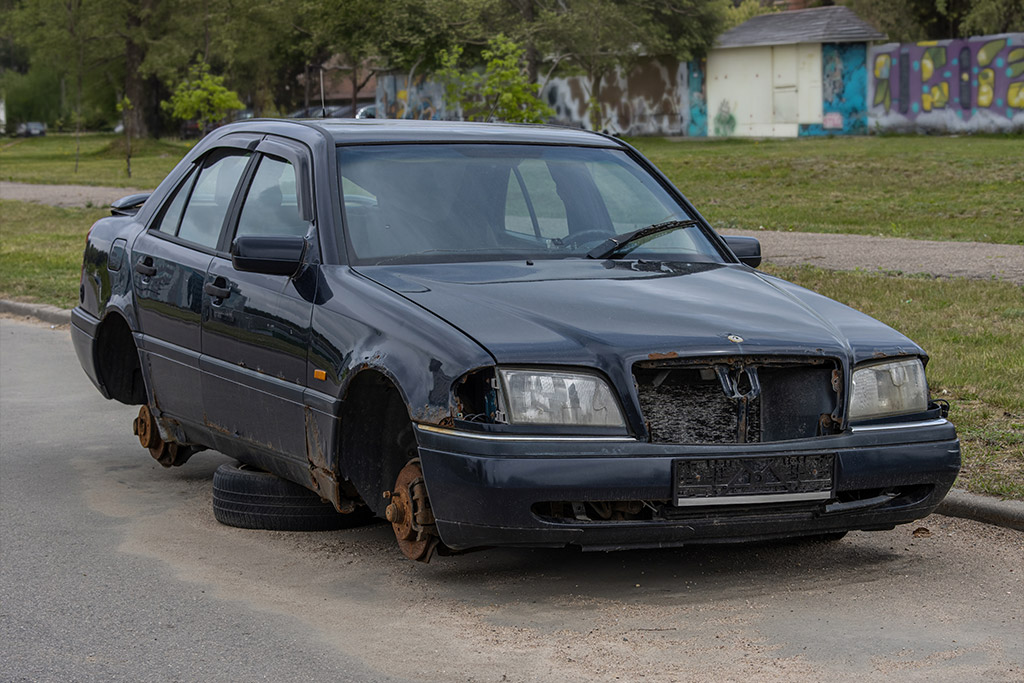
In general, a vehicle is classified as inoperable if it cannot be driven onto the transport trailer. Common reasons a car becomes inoperable include:
- Severe engine failure
- Dead or missing battery
- In an accident or natural disaster
- Flat or shredded tires that won't hold air
- Locked steering column or missing keys
- Seized brakes or a stuck transmission
- Broken axles or collapsed suspension components
What types of non-running vehicles can I ship?
Montway can arrange transport for a variety of vehicles. Our inoperable shipping services cover:
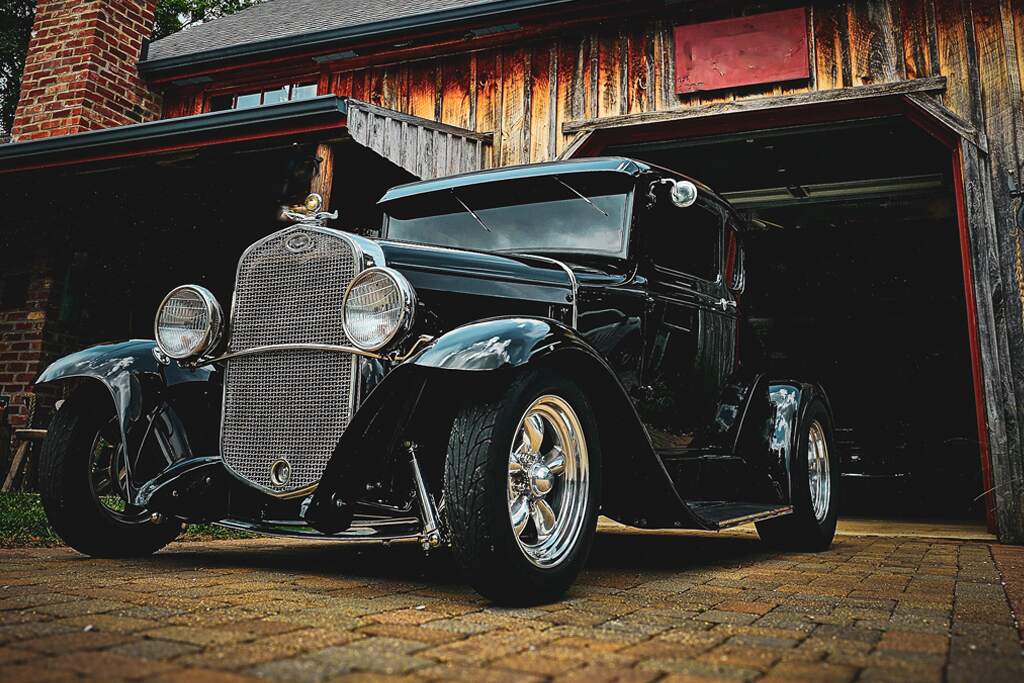
- Unique collectibles: Even barn finds that have been sitting for decades.
- Project vehicles: Cars in various stages of repair or restoration.
- Weather-damaged vehicles: Cars with flood or storm damage.
- Salvage cars: Vehicles involved in an accident or have significant damage.
- Off-road vehicles: Specialized rigs that may have mechanical issues.
- Auction purchases: Vehicles from Copart, IAA, or other auctions sold "as-is."

Does it cost more to ship a non-running vehicle?
Shipping a non-running vehicle does typically involve an additional fee. If the vehicle does not roll, brake, or steer, the additional cost could range from $300 to over $500, depending on the vehicle's condition and the specific equipment required. This price adjustment is primarily due to the specialized nature of the move. Unlike a standard transport where a car is simply driven onto the trailer, an inoperable vehicle requires a carrier equipped with a winch and heavy-duty loading tools.
Beyond the equipment itself, there is an increase in the time and physical labor required to safely load and unload a vehicle that cannot move under its own power. Because these maneuvers are labor-intensive, carriers often limit the number of non-running vehicles they take at one time. By accounting for these factors, Montway can arrange the specialized handling your vehicle needs to reach its destination safely.
How Montway ships a car that doesn’t run
Shipping a car that is in perfect working order is a standard process, but when a vehicle doesn't start, steer, or roll, it requires a higher level of expertise. At Montway Auto Transport, we have experience moving non-running vehicles to ensure that your project car, classic "barn find," or auction win gets to its destination safely and efficiently.
Whether your vehicle just needs to cross state lines or travel across the country, it all starts with a car shipping quote. After you enter your pickup and delivery locations, be sure to check “inoperable” on the quote form. Or, call a Montway shipping advisor at (888) 666-8929 to discuss your options.
Custom equipment for your non-running vehicle
Our team will ask the necessary questions to ensure we match you with the right carrier. Does your vehicle just have a dead battery? Are the wheels locked? Has it been in an accident? If a vehicle cannot roll or steer, we arrange for carriers with specific equipment, such as a forklift, heavy-duty winches, or ramps at both the pickup and delivery locations.
Shipping methods: While open transport is common for inoperable vehicles, enclosed transport may be recommended for high-value project cars or vehicles with compromised windows or seals.
Delivery and accessibility: Because loading a non-running vehicle may take up more space, we will ensure the delivery location is accessible for large trailers with winching gear.
What is a non-running car?
In the world of auto transport, vehicles fall into three main categories. Knowing where yours fits is essential for an accurate quote and a smooth pickup.
- Operable: The vehicle starts, rolls, steers, and brakes. It can be driven onto the trailer under its own power.
- Inoperable (movable): The vehicle does not start (e.g., engine failure or dead battery), but it can still roll and steer. These are loaded using a winch.
Inoperable (immobile): The vehicle cannot roll or steer. This includes cars with seized brakes, missing wheels, or broken axles. These require special equipment like a forklift or a roll-back tow truck.
What makes a car “inoperable”?
In general, a vehicle is classified as inoperable if it cannot be driven onto the transport trailer. Common reasons a car becomes inoperable include:
- Severe engine failure
- Dead or missing battery
- In an accident or natural disaster
- Flat or shredded tires that won't hold air
- Locked steering column or missing keys
- Seized brakes or a stuck transmission
- Broken axles or collapsed suspension components
What types of non-running vehicles can I ship?
Montway can arrange transport for a variety of vehicles. Our inoperable shipping services cover:
- Unique collectibles: Even barn finds that have been sitting for decades.
- Project vehicles: Cars in various stages of repair or restoration.
- Weather-damaged vehicles: Cars with flood or storm damage.
- Salvage cars: Vehicles involved in an accident or have significant damage.
- Off-road vehicles: Specialized rigs that may have mechanical issues.
- Auction purchases: Vehicles from Copart, IAA, or other auctions sold "as-is."
Does it cost more to ship a non-running vehicle?
Shipping a non-running vehicle does typically involve an additional fee. If the vehicle does not roll, brake, or steer, the additional cost could range from $300 to over $500, depending on the vehicle's condition and the specific equipment required. This price adjustment is primarily due to the specialized nature of the move. Unlike a standard transport where a car is simply driven onto the trailer, an inoperable vehicle requires a carrier equipped with a winch and heavy-duty loading tools.
Beyond the equipment itself, there is an increase in the time and physical labor required to safely load and unload a vehicle that cannot move under its own power. Because these maneuvers are labor-intensive, carriers often limit the number of non-running vehicles they take at one time. By accounting for these factors, Montway can arrange the specialized handling your vehicle needs to reach its destination safely.
How Does Shipping an Inoperable Work?
Transporting your vehicle from point A to point B is easier than you may think! In fact, there are just three simple steps - watch the video to learn more.
The car transport process



How to prepare a non-running car for transport
To ensure a seamless pickup, transport, and delivery, follow this pre-shipment checklist:
- Functionality check: Does it roll, steer, and brake? If it doesn’t do all three, this will require a custom quote. Give the Montway experts a call at (888) 666-8929 or email quotes@montway.com. We will need to match your vehicle with a carrier that has the right equipment.
- Tires: Inflate them to the recommended PSI. If the tires cannot hold air, this needs to be communicated to your Montway representative.
- Personal items: Remove all loose items from the cabin and trunk. Winching a car puts it at an angle, and shifting items can cause interior damage.
- Fluid leaks: Fix major leaks. If the car is actively leaking oil or coolant, it may not be able to be loaded, as it can cause damage to the road, the environment, and other vehicles. You may be required to drain the fluids or install a leak barrier.
Keys: Always include the keys. The transporter needs them to unlock the steering wheel and shift the car into neutral. If no keys are available, your vehicle may require a forklift, crane, or towtruck to be loaded onto the trailer.
Inoperable Vehicle FAQs
Ready to get a car shipping quote with Montway?
Ready to ship your inoperable vehicle? Get a quote or call a Montway representative at (888) 666-8929 to get started.




Contacted Montway to transport a non-running vehicle. They make the process smooth and easy. Communication with the driver was excellent. Would recommend!!